
Why Your Hormone Testing is Incomplete
By: Dr. Alexa

Bloodwork is a piece of the puzzle.
Comparing serum hormone levels (from blood) to urine hormone metabolites (like those in the DUTCH test) is important because it provides a fuller picture of hormone activity and metabolism - not just how much hormone is circulating, but also how it’s being used, broken down, and cleared by the body.
Bloodwork shows what's available in the bloodstream at a moment in time—basically, what the body could use.
But urine metabolites show how those hormones are being processed, giving insight into how your body is actually using them.
For example: You might have normal estrogen levels in blood, but urine testing could reveal that you're metabolizing it in a way that increases cancer risk (e.g., via the 16-OH or 4-OH pathway).

You might show normal cortisol in serum, but DUTCH urine metabolites could show you're not producing a healthy rhythm or clearing it inefficiently.
We need to see hormones circulating in the blood to assess how well the body is producing it. Thereby, comparing it to its breakdown products in the urine, helps guide more precise and personalized treatment.
Why the DUTCH Test Could Have Your Answers
DUTCH stands for Dried Urine Test for Comprehensive Hormones. It’s a cutting-edge diagnostic tool that offers an in-depth look at your body’s
hormonal landscape. Unlike standard blood tests, the DUTCH test provides a more complete picture by analyzing hormone metabolites from dried urine samples collected throughout the day.
This allows it to assess not just the levels of key hormones like estrogen, progesterone, testosterone, cortisol, and DHEA, but also how your body is processing them.
Why the DUTCH Test Matters
Here are five compelling reasons to consider getting a DUTCH test:
1. More Than Just Numbers
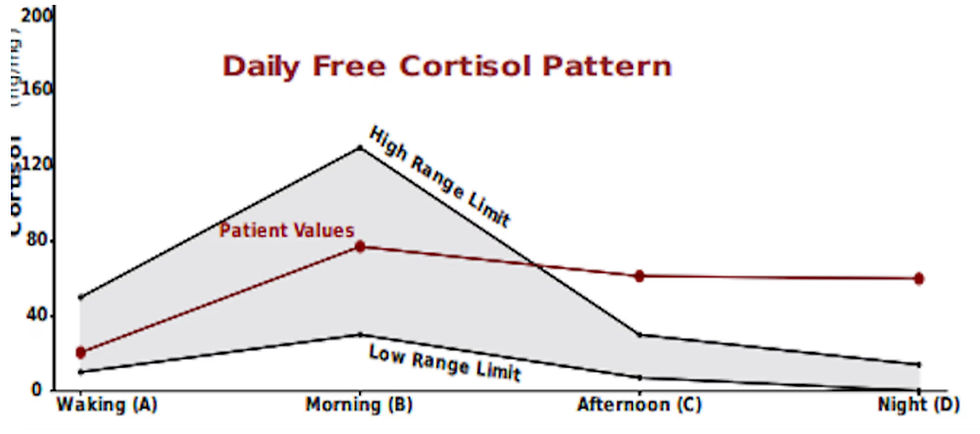
Traditional hormone tests often give you a single snapshot of your hormone levels. But hormones fluctuate throughout the day. The DUTCH test shows your diurnal cortisol rhythm, patterns of estrogen metabolism, and even how your body detoxifies hormones—all of which can provide critical insight into chronic symptoms.
2. Tailored Solutions
With the DUTCH test results, healthcare providers can personalize your treatment—whether through lifestyle changes, supplements, or bioidentical hormone therapy—based on your unique hormonal blueprint.
3. Better Insight into Stress and Adrenal Health
Chronic fatigue, sleep disturbances, and brain fog may stem from adrenal dysfunction. The DUTCH test maps out cortisol patterns across the day, helping pinpoint HPA axis dysregulation (aka adrenal fatigue), which traditional tests often miss.
4. Supports Women’s Health at Every Stage
Whether you’re dealing with PMS, perimenopause, or PCOS, the DUTCH test gives a full hormonal profile that can help address root causes of menstrual irregularities, mood swings, and infertility.

5. Improves Men’s Hormone Optimization
This test is not just for women! For men, symptoms like low libido, fatigue, or reduced performance often come down to testosterone or cortisol imbalances. The DUTCH test can detect subtle issues that bloodwork might overlook—leading to more targeted support.
Who Should Consider the DUTCH Test?
You might benefit from the DUTCH test if you’re experiencing:
● Chronic fatigue or insomnia
● Mood swings or anxiety
● Weight gain, especially around the midsection
● Low libido
● Menstrual irregularities or menopausal symptoms
● Difficulty recovering from stress or illness
Your hormones are powerful messengers that influence everything from mood and metabolism to sleep and sexual health. When they’re out of balance, your entire life can feel off track. The DUTCH test doesn’t just provide data—it offers direction.

Here at AJUSTED, we combine all the lab markers we need to get a holistic picture of your hormones to get you the answers you have been looking for.
Book an appointment or FREE Connection Call.


Comments